Why Regular Maintenance Matters
Many appliance faults that seem sudden have actually been developing slowly over months or even years. A build-up of limescale inside a washing machine, for example, gradually reduces heating efficiency and stresses components until something eventually gives way. A blocked filter in a dishwasher puts unnecessary strain on the pump. These problems are largely avoidable with simple, consistent attention.
Professional repair technicians regularly encounter faults that could have been prevented — not through any failure on the owner's part, but simply because most people aren't told what to look out for. This guide aims to change that.
Maintenance doesn't have to be complicated. A few minutes of attention each month can significantly reduce the likelihood of a breakdown and extend the working life of your appliances.
Washing Machine Maintenance
The washing machine is one of the hardest-working appliances in any home. A few straightforward habits can help it run reliably for longer.
Run a Monthly Hot Maintenance Wash
Modern washing machines are often used at lower temperatures to save energy, which is good for both clothes and electricity bills. However, this can allow detergent residue, body oils, and bacteria to build up inside the drum and rubber seal over time. Once a month, run an empty cycle at 90°C — many machines have a specific drum clean or maintenance programme. This helps clear residue and keep the drum hygienic.
Clean the Rubber Door Seal
The rubber gasket around the door is a common place for mould to develop, particularly in hard water areas. After each wash, it's worth wiping the seal and leaving the door slightly ajar to allow moisture to evaporate. If mould has already appeared, a diluted bicarbonate of soda solution applied with a cloth will usually clear it. Avoid harsh bleach products unless specifically recommended for your machine's seal material.
Clear the Filter Regularly
Most front-loading washing machines have a drain filter — usually located behind a small panel at the front lower edge of the machine. This filter catches coins, fluff, and small objects that would otherwise block the drain pump. Clearing it every two to three months prevents drainage problems and pump strain. Always put a towel and shallow bowl beneath it before opening, as water will run out.
Use the Correct Amount of Detergent
Using too much detergent is a surprisingly common cause of problems. Excess detergent creates foam that doesn't fully rinse away, leading to residue build-up in the drum and drum bearings over time. Modern concentrated detergents require less than many people assume — follow the manufacturer's guidance for your water hardness level and load size.
In hard water areas like London, use a limescale prevention product in each wash. Limescale accumulation on the heating element is one of the most common causes of washing machine failure.
Oven and Hob Maintenance
Ovens rarely fail dramatically — more often, performance degrades gradually as grease builds up and small issues are left unaddressed. A little regular attention keeps them efficient and safe.
Clean Regularly, Not Infrequently
Baked-on grease is significantly harder to remove than fresh spills. Wiping down the inside of the oven after cooking — once it has cooled — prevents heavy build-up and reduces the risk of grease fires. The same applies to hob surfaces and burner heads on gas hobs, which can become clogged and affect heat distribution or ignition over time.
Check Door Seals
The rubber or fibreglass seal around the oven door maintains temperature during cooking. If this seal becomes worn, cracked, or misshapen, heat escapes and the oven has to work harder — consuming more energy and potentially affecting cooking results. Seals can usually be replaced without professional help, though it's worth confirming compatibility with your oven model first.
Inspect Oven Elements
Electric ovens use heating elements at the top (grill) and base (bake) of the oven cavity. If you notice uneven cooking, longer preheating times, or visible damage to an element, it may be failing. Do not attempt to replace elements yourself unless you are confident doing so safely. An appliance technician can carry this out quickly and at reasonable cost.
Dishwasher Maintenance
A well-maintained dishwasher cleans effectively and uses water and energy efficiently. Neglected filters and spray arms are among the most common causes of performance decline.
Clean the Filter Weekly
The cylindrical filter at the base of the dishwasher catches food particles from the wash water. Most manufacturers recommend rinsing it under a tap weekly. A blocked filter forces the pump to work harder, reduces cleaning effectiveness, and can lead to unpleasant odours inside the machine.
Check and Clear Spray Arm Holes
The rotating spray arms inside the dishwasher distribute water through small holes during the wash cycle. These holes can become blocked by food debris or limescale deposits over time, reducing washing performance. Remove the spray arms (they usually unclip or unscrew) and rinse them, using a cocktail stick or toothpick to clear any blocked holes.
Use Rinse Aid and Salt
In a hard water area, using dishwasher salt is essential to protect the water softener unit built into the machine. Rinse aid helps water sheet off dishes during the drying phase, preventing spotting and improving results. Both should be topped up regularly according to the indicator lights on the machine's control panel.
Refrigerator and Fridge-Freezer Maintenance
Refrigerators are among the most reliable domestic appliances, but they still benefit from occasional attention — particularly around the condenser coils and door seals.
Vacuum the Condenser Coils
The condenser coils — usually located at the back or beneath the fridge — release heat from the refrigeration system. When they become coated in dust and pet hair, the unit has to work harder and may run warmer than optimal. Carefully vacuum them once or twice a year using a soft brush attachment. Unplug the unit before doing so.
Check Door Gaskets
The rubber seal around fridge and freezer doors keeps cold air in and warm air out. A simple test: close the door on a piece of paper. If you can pull the paper out easily, the seal is not forming a proper contact and cold air is escaping. Worn gaskets can often be replaced, though this is usually a job for a technician on integrated models.
Defrost the Freezer When Ice Builds Up
Frost-free freezers manage ice build-up automatically, but manually defrosted models require attention once ice reaches around a centimetre in thickness. Heavy ice build-up reduces storage space and forces the compressor to work harder. Never use sharp tools to remove ice — always allow it to defrost naturally or use a bowl of hot water placed inside the compartment to speed the process.
General Appliance Care
Beyond appliance-specific maintenance, a few general habits apply across the board.
Avoid overloading. Every appliance has a rated capacity for good reason. Consistently overloading a washing machine stresses the drum bearings; overloading a dishwasher prevents effective cleaning. Work within the manufacturer's guidelines and the appliance will last considerably longer.
Read the manual. It sounds obvious, but manufacturer guidance often contains maintenance schedules, cleaning recommendations, and common troubleshooting advice that most owners never see. Many appliance manuals are now available as PDFs from the manufacturer's website if the original has been lost.
Act on early warning signs. Unusual noises, longer cycle times, reduced performance, or unfamiliar smells are often early indicators of a developing fault. Addressing them promptly — whether through basic maintenance or a professional assessment — is almost always less expensive than waiting until the appliance stops working.
If you're ever unsure whether a fault is something you can address yourself or requires a professional, it's always safer to seek advice. A proper diagnosis from a qualified technician protects both the appliance and your home.
When to Call a Professional
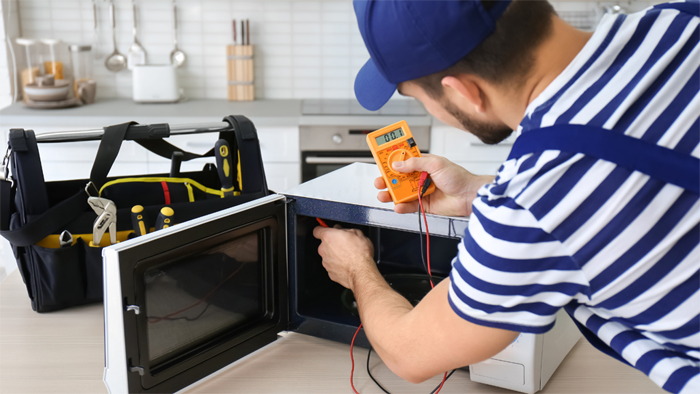
Some maintenance tasks are clearly within reach of any careful homeowner. Others — particularly anything involving electrical components, gas connections, or refrigerant systems — should be handled by a qualified technician. This isn't just about the risk of damaging the appliance: working with live electrical components or gas supply carries genuine safety risks.
If your appliance is producing burning smells, tripping your consumer unit, showing error codes that basic troubleshooting cannot clear, or simply not performing as it should after basic maintenance, it's worth having it professionally assessed. A proper diagnosis identifies the root cause of the problem rather than just the symptom, which avoids the frustration of repeated temporary fixes.
At Qelivro, we're always happy to advise whether a fault sounds like something straightforward or something that needs a visit. Don't hesitate to get in touch if you're unsure what you're dealing with.