The Value of Proper Diagnosis
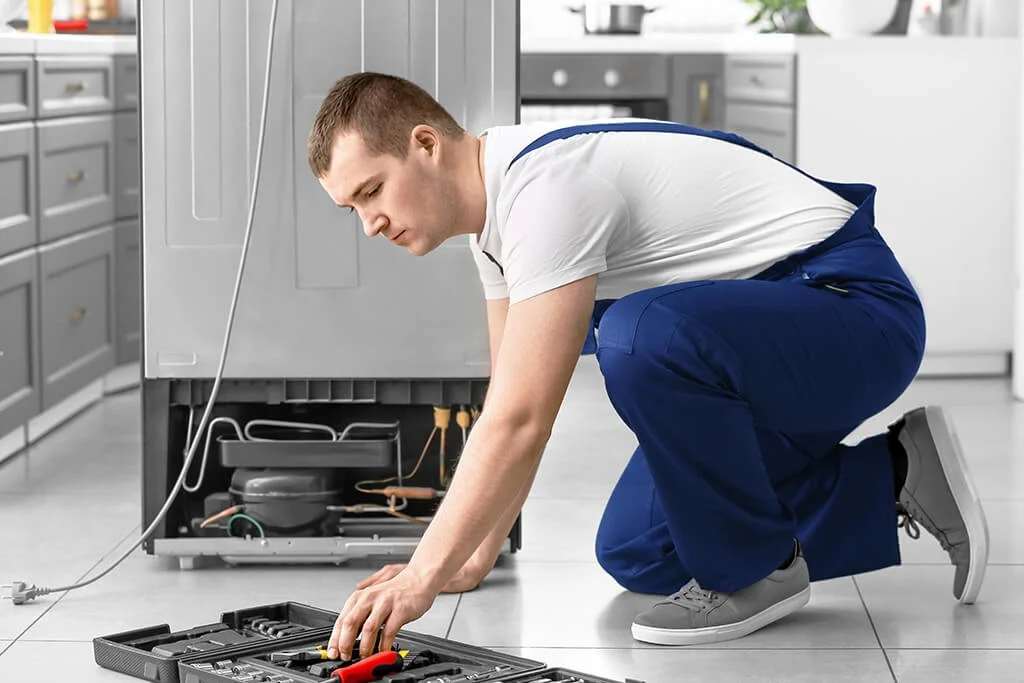
One of the most important differences between a professional repair and a DIY attempt is the quality of diagnosis. Replacing parts based on guesswork — however educated — is expensive and often unsuccessful. A trained technician uses a structured approach to identify not just which component has failed, but why it failed, which reduces the likelihood of the same problem recurring.
Modern appliances increasingly use electronic control boards and sensor networks that can generate fault codes when something goes wrong. Reading and interpreting these codes requires both the right equipment and familiarity with how different manufacturers implement their diagnostic systems — not all codes mean the same thing across brands.
Good diagnosis takes time. A technician who spends 20–30 minutes assessing an appliance before recommending a repair is doing their job properly. Rushing to a conclusion risks an expensive and unnecessary repair.
Washing Machine Problems
Washing machines are complex appliances with a large number of components working in sequence. When something goes wrong, symptoms often point in multiple possible directions.
Machine Won't Drain
One of the most common washing machine faults is failure to drain at the end of a cycle. Possible causes include a blocked drain filter (which is often something the owner can address themselves), a blocked drain hose, a faulty drain pump, or a problem with the pressure switch that signals water level to the control system. A technician will typically check the filter and hose first, then test the pump motor with a multimeter to confirm whether it is receiving power and turning freely.
Drum Not Spinning or Spinning Slowly
A drum that won't spin properly may indicate a worn or broken drive belt (common in older machines), failed motor brushes (which are carbon components that wear gradually over years of use), a faulty motor control board, or a problem with the motor itself. Diagnosis involves checking the belt visually, testing motor resistance, and reviewing any fault codes stored by the control board. Carbon brushes are often replaceable and represent a cost-effective repair on an otherwise sound machine.
Machine Leaking
Leaks can originate from several sources — a perished door seal, a loose or cracked drum seal, worn soap drawer housing, or a fault with the pressure chamber. Identifying the source precisely requires running the machine and observing where water appears, which is something a technician can do systematically. Attempting to locate a leak without a structured approach often leads to misidentification of the source.
Abnormal Noise During Wash
Rumbling, grinding, or thumping during a wash can indicate worn drum bearings (a common fault in machines over five years old), foreign objects inside the drum casing, or an unbalanced load during spin. Bearing wear is diagnosed by rotating the drum by hand and listening for resistance or roughness. Bearing replacement is technically demanding and time-intensive, so cost versus appliance age is always a factor worth discussing with a technician honestly.
Oven and Cooker Problems
Oven Not Heating or Heating Unevenly
In an electric oven, failure to heat is commonly caused by a failed element (the bake element at the bottom or the grill element at the top). Elements can often be visually inspected for breaks or blistering. If the element appears intact, the fault may lie with the thermostat, the oven selector switch, or the control board. A technician uses a multimeter to test continuity through the element circuit, which confirms whether the element is broken or whether the fault lies upstream.
Gas Hob Ignition Not Working
Clicking but no ignition on a gas hob is often caused by a blocked burner cap (food debris preventing the gas from igniting cleanly), moisture around the igniter electrodes (especially common after a boil-over), or a failed igniter or spark module. Most cleaning-related ignition problems can be resolved by the user — the key is ensuring the burner head and cap are completely dry before testing. If ignition still fails after cleaning, the electrode or module may need replacing.
Oven Temperature Inaccuracy
If food is consistently over or underdone at standard settings, the oven thermostat may have drifted from its calibration or may be failing. Some ovens allow manual calibration through their settings menu. A technician can verify actual oven temperature against the set temperature using a calibrated probe thermometer, which establishes whether the thermostat requires adjustment or replacement.
Dishwasher Problems
Not Cleaning Effectively
Poor cleaning performance is most commonly caused by a blocked filter, blocked spray arm holes, or insufficient water temperature. A technician will check whether the water is reaching the correct wash temperature (usually 55–65°C) using a thermometer, assess spray arm coverage, and check water inlet flow. If the machine appears to be mechanically sound, the solution may simply be adjusting detergent quantity or water softener salt levels.
Not Draining Properly
Similar to washing machines, dishwasher drainage problems can originate from a blocked filter, blocked drain hose, or failed drain pump. The pump motor can be tested electrically to confirm whether it is working. In some cases, the issue is with the non-return valve in the drain system, which prevents water from flowing back — a relatively straightforward component to replace.
Door Not Latching or Sealing
A door that doesn't latch will prevent the dishwasher from starting. This may be a door latch mechanism issue or a problem with the door switch that signals to the control board that the door is closed. Both are typically inexpensive parts to replace. A door that doesn't seal properly allows steam to escape and may indicate worn door seals.
Refrigerator and Fridge-Freezer Problems
Not Cooling Adequately
A fridge that isn't maintaining temperature can indicate a problem with the thermostat, a blocked or failed condenser fan, a compressor beginning to fail, or a refrigerant leak. Diagnosis begins with checking the condenser coils and fan, then testing the thermostat, before moving to the compressor. Refrigerant leaks require specialist equipment and F-Gas certification to address, so this work must always be done by a qualified engineer.
Excessive Frost Build-Up in Freezer
Frost-free fridge-freezers use a defrost system that runs automatically on a timer. If this system fails — usually due to a failed defrost heater, defrost thermostat, or defrost timer — ice builds up progressively until airflow through the freezer is obstructed and the unit cannot maintain temperature. Diagnosis involves testing each component of the defrost circuit in sequence.
Unusual Running Noises
Clicking sounds on start-up may indicate the compressor is struggling to start — sometimes caused by a faulty start relay (a small, inexpensive component). Continuous running with poor cooling often points to a compressor fault. Vibration or buzzing may come from the condenser fan or from the unit not being level on the floor. A technician can distinguish between these sources systematically.
A Note on DIY Repair
There are some minor repairs that confident, practically minded homeowners may be able to carry out safely — replacing a door seal, clearing a filter, or swapping a visible heating element in a cooker. For anything involving the electrical wiring of an appliance, refrigerant systems, or gas connections, professional attention is strongly recommended. The risk isn't always to the appliance — it's to personal safety and, in the case of gas, household safety.
If you're ever uncertain, a professional assessment costs relatively little and can save you from a more expensive mistake. Knowing what you're dealing with before committing to a repair path is almost always the right approach.
If your appliance is displaying an error code, make a note of it before calling a technician. Even if you don't know what it means, it provides useful starting information and may shorten the diagnostic process.